A NOTE FROM THE OPERATING ROOM
“Why I Refused to Hand My Surgery Patients Another Generic Tube of Silicone.”

“In surgery, I spend hours perfecting a closure down to the millimeter. But what happens in the 12 months after you go home determines how that incision line actually looks for the rest of your life.”
Every week at my practice in Seattle, patients come to me either preparing for a life-changing procedure—a tummy tuck, breast augmentation or lift, mommy makeover, facelift, or top surgery—or asking how to improve the appearance of a surgical mark they have carried for months or years.
For decades, the skincare industry gave surgical patients a lazy answer: a single tube of basic silicone or onion-extract gel and told them to rub it on for a year.
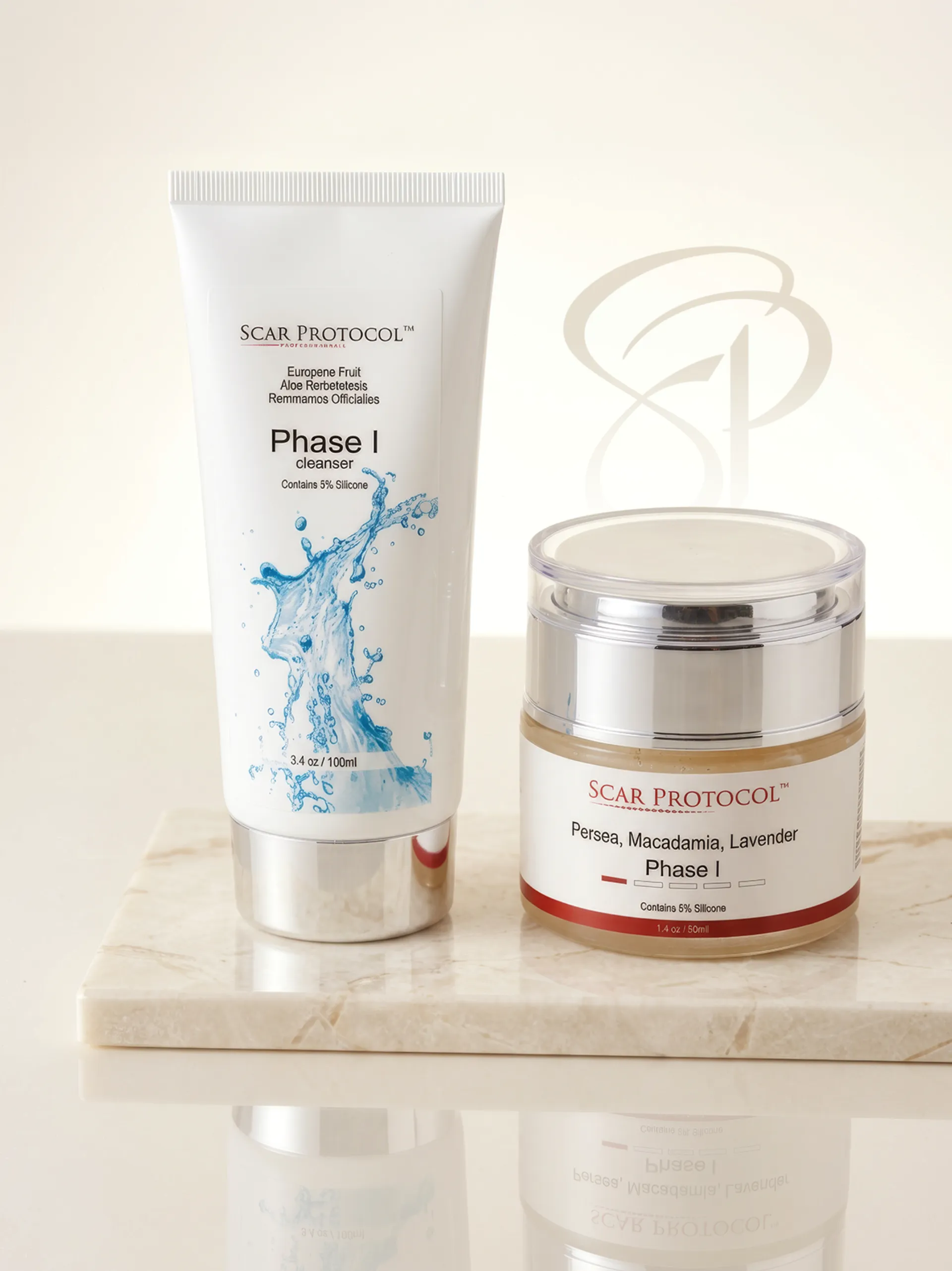
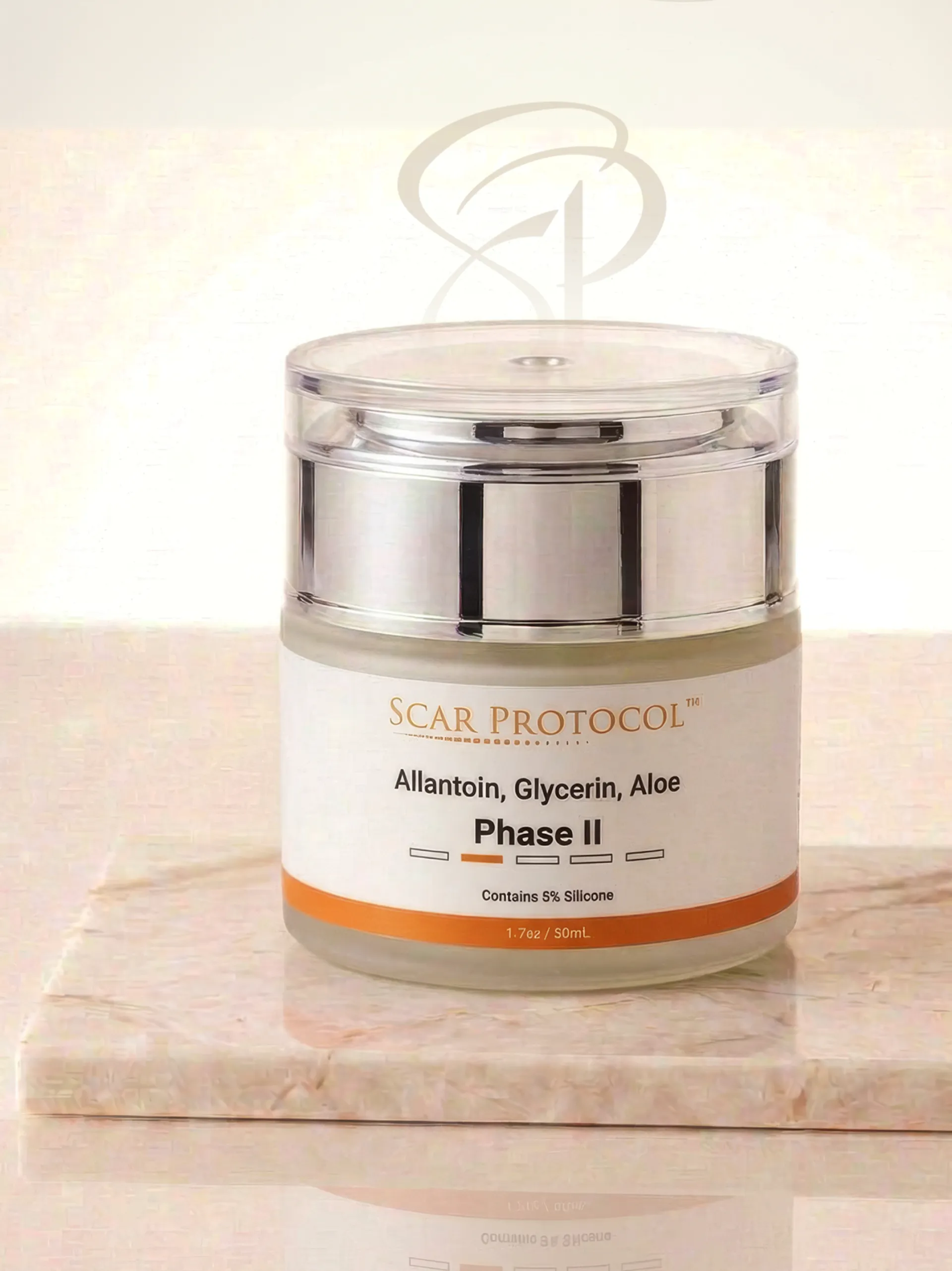
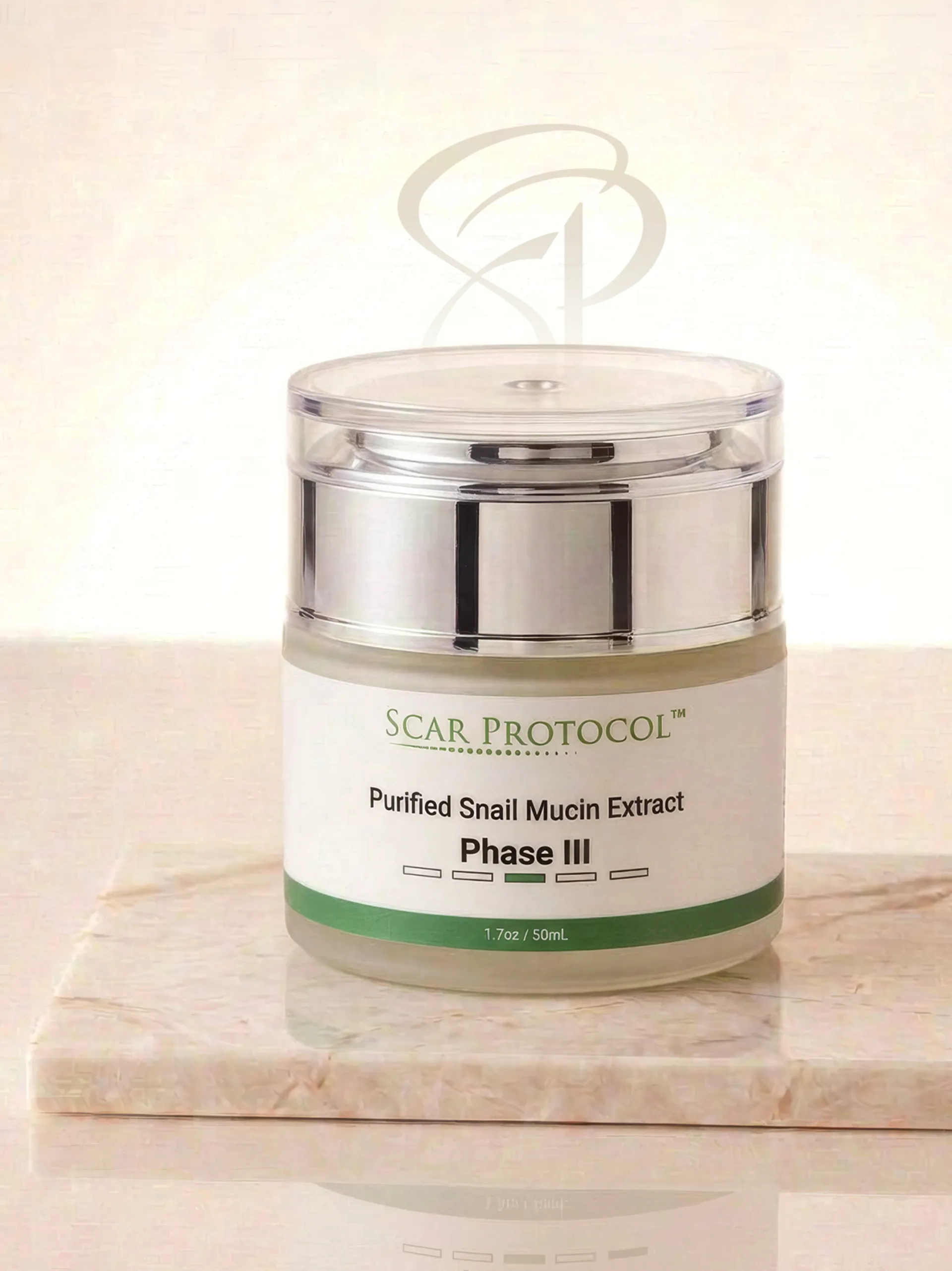
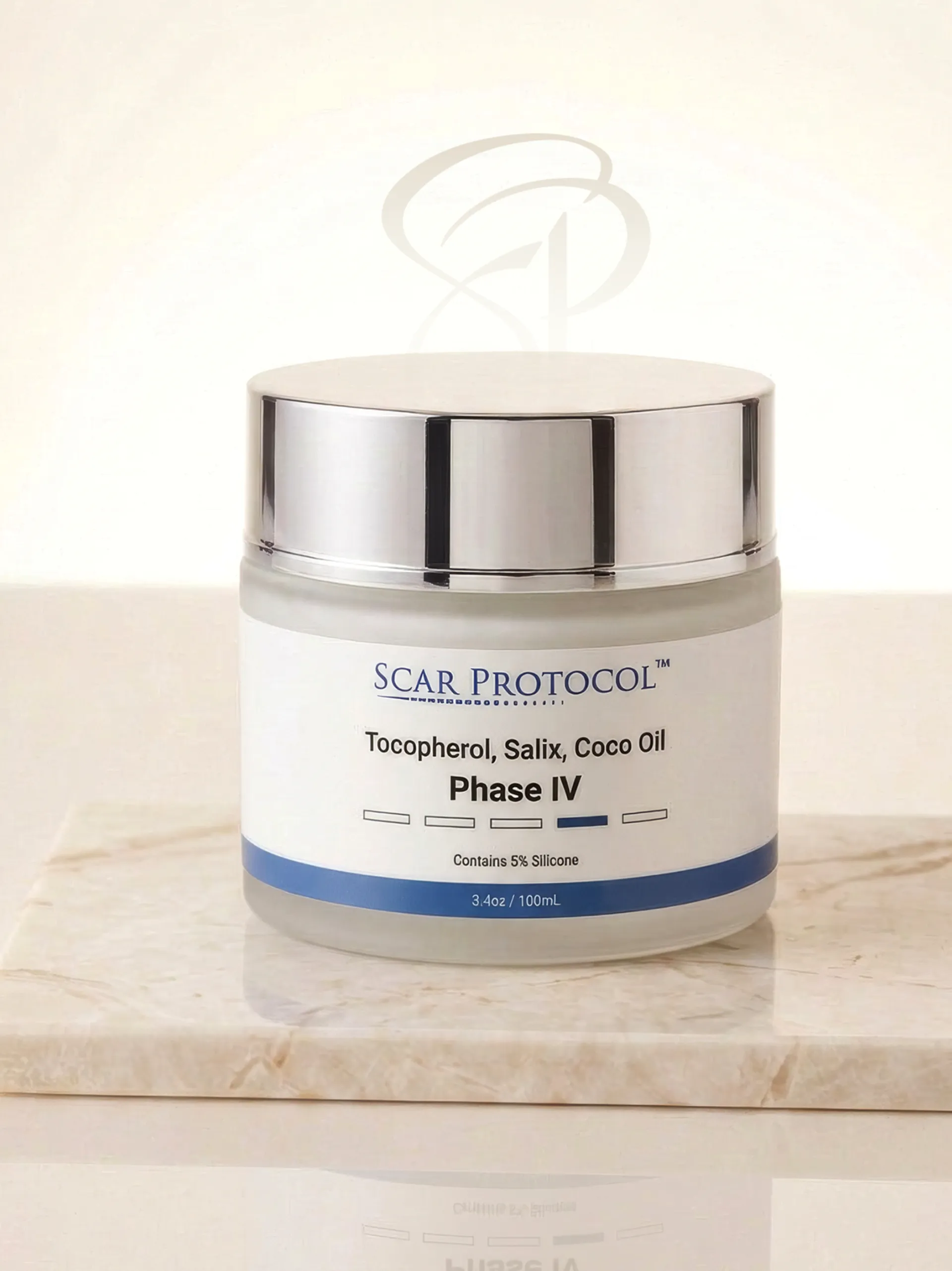
As a plastic surgeon who has observed thousands of incisions mature month by month, I knew that approach was fundamentally flawed. Post-surgical skin does not stay the same for 12 months—it moves through five distinct biological phases:
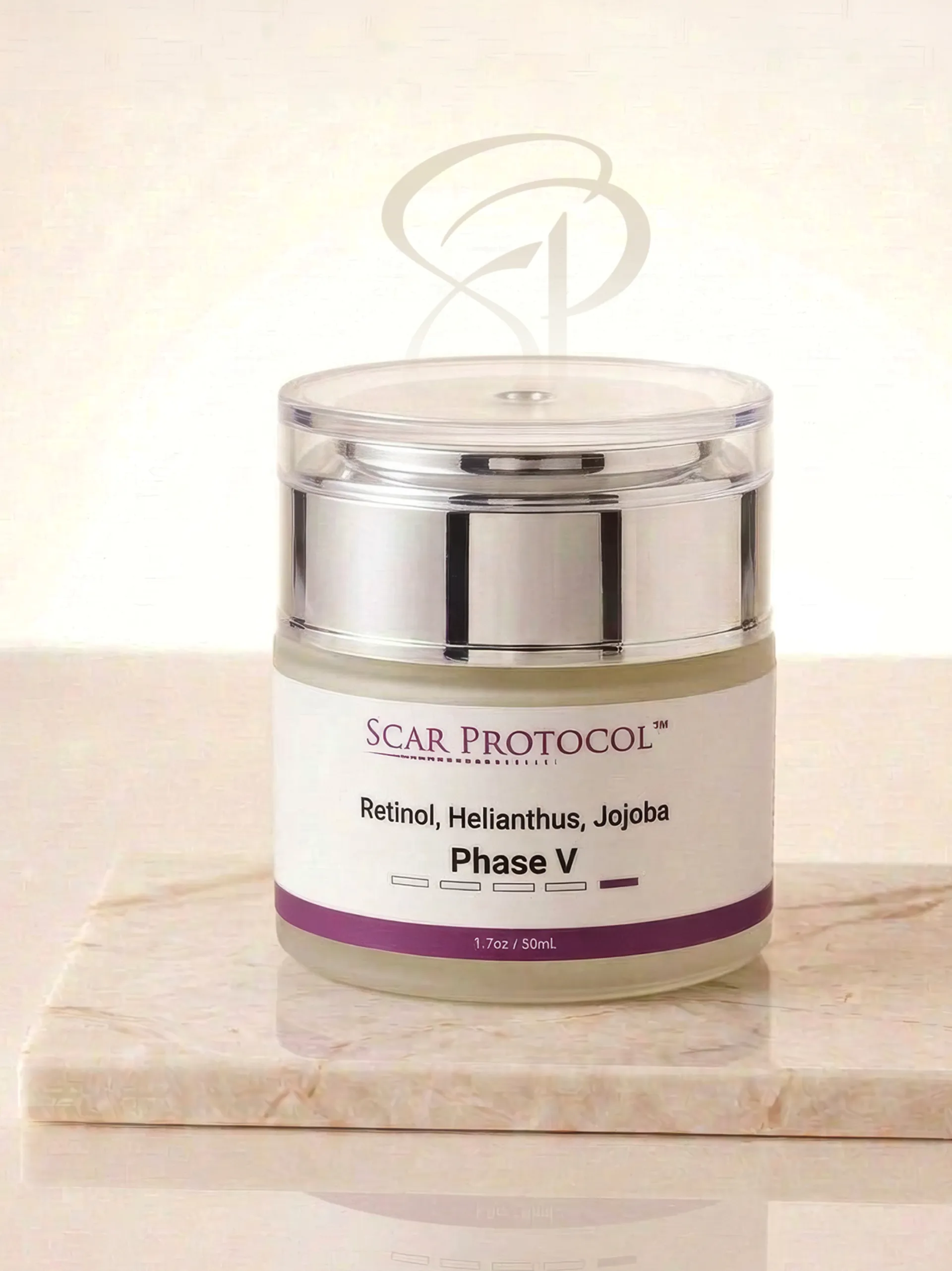
In Month 1, newly closed skin is fragile and reactive; it needs a gentle barrier cleanser, Aloe Vera, and Vitamin E—never harsh actives. By Months 3 to 5, collagen is actively reorganizing and needs deep moisture regulation with Allantoin and Purified Snail Mucin to help soften and flatten the appearance of raised tissue. And only in Months 9 to 12+—once the barrier is mature—should you introduce buffered Retinol to refine surface texture and support a more even-looking tone.
Apply late-stage actives too early, and you irritate delicate post-op skin. Apply only a basic barrier gel at Month 6, and you miss the remodeling window. That is why we built the 90-Second Phase Analyzer—so you can pinpoint where your skin is on the 12-month curve and start at the exact phase built for your timeline.